
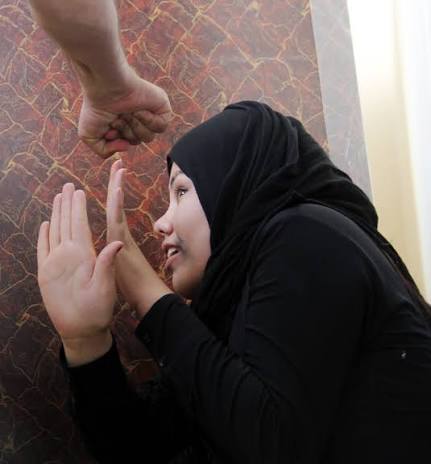

Afghanistan’s Taliban authorities have introduced a new penal code that permits husbands to physically punish their wives and children under certain conditions, marking a significant escalation in restrictions on women’s rights. The 90 page legal document allows physical discipline provided it does not result in broken bones or open wounds, according to details obtained by an Afghan human rights organization in exile.
Under the new framework, a husband accused of using what the code describes as obscene force, including cases involving visible fractures or injuries, faces a maximum penalty of 15 days in prison. Prosecution would proceed only if the wife is able to prove the abuse in court, a requirement critics say places an unrealistic burden on victims in a judicial system controlled by the Taliban.
The legislation also imposes new limits on women’s freedom of movement. A married woman can face up to three months in jail if she visits relatives without her husband’s explicit permission, further tightening male guardianship rules that have expanded since the Taliban’s return to power.
The measures represent a sharp reversal of protections introduced during the previous Western backed Afghan government. In 2009, authorities enacted the Elimination of Violence Against Women law, known as EVAW, which criminalized domestic abuse, forced marriage, and other forms of gender based violence. That legislation has now been effectively dismantled under Taliban rule.
Since regaining control of Afghanistan in 2021 following the withdrawal of United States and allied forces, the Taliban have systematically rolled back women’s rights. Girls have been barred from secondary and higher education, women have been excluded from most employment sectors, and strict dress and mobility codes have been reimposed. The new penal code consolidates those policies within a formal legal structure.
The new code was obtained by Rawadari, an Afghan human rights group operating in exile, which released details of its provisions in a public statement. According to the organization, the language of the law effectively treats wives as the property or dependents of their husbands and removes what limited protections remained within Afghanistan’s legal system.
Rawadari warned that the measures would legitimize abuse, maltreatment, and punishment of women and children. The group said the provisions could expose families to continued domestic violence in a country where access to independent courts and legal remedies is already severely restricted.
Human rights advocates say the evidentiary requirement placed on women to prove abuse is particularly significant. Afghanistan’s judiciary is now fully controlled by Taliban authorities, raising concerns about impartiality and access to justice. Without independent oversight, critics argue, enforcement of even the limited penalties outlined in the code may be rare.
The restrictions on visiting relatives also remove what campaigners describe as one of the few remaining informal safety mechanisms for women facing abuse. In many Afghan communities, family networks have historically served as primary sources of refuge.
The dismantling of the EVAW law marked a decisive shift in Afghanistan’s legal landscape. That law, introduced more than a decade ago, was widely seen as a milestone in formal recognition of gender based violence. Its removal underscores the Taliban’s broader restructuring of legal institutions in line with their interpretation of Islamic law.
The publication of the new penal code signals the institutionalization of policies that critics say had previously been enforced more informally since 2021.
International condemnation of the Taliban’s restrictions on women has grown steadily over the past four years. The United Nations and multiple rights groups have accused the Taliban leadership of implementing policies that amount to gender based discrimination on a systemic scale. Sanctions and diplomatic isolation have followed, though they have not reversed the trajectory of domestic policy.
The new code deepens concerns that temporary decrees have evolved into entrenched legal doctrine.
Rawadari has called for the immediate halt of implementation of the criminal procedure code by Taliban courts. The group urged the international community, including the United Nations and other relevant bodies, to utilize all available legal instruments to prevent the measures from taking effect.
The formal adoption of the penal code represents one of the clearest indications yet that the Taliban intend to codify and expand restrictions on women rather than ease them. As Afghanistan remains diplomatically isolated and economically fragile, the legal entrenchment of such policies is likely to intensify scrutiny from global institutions and human rights monitors in the months ahead.