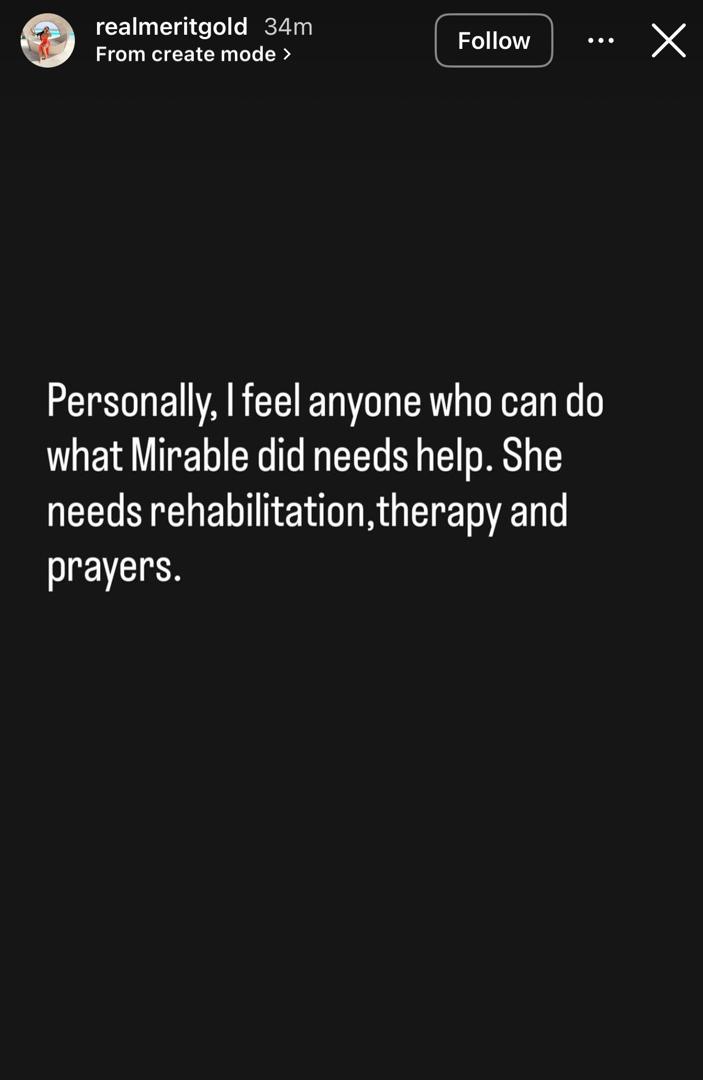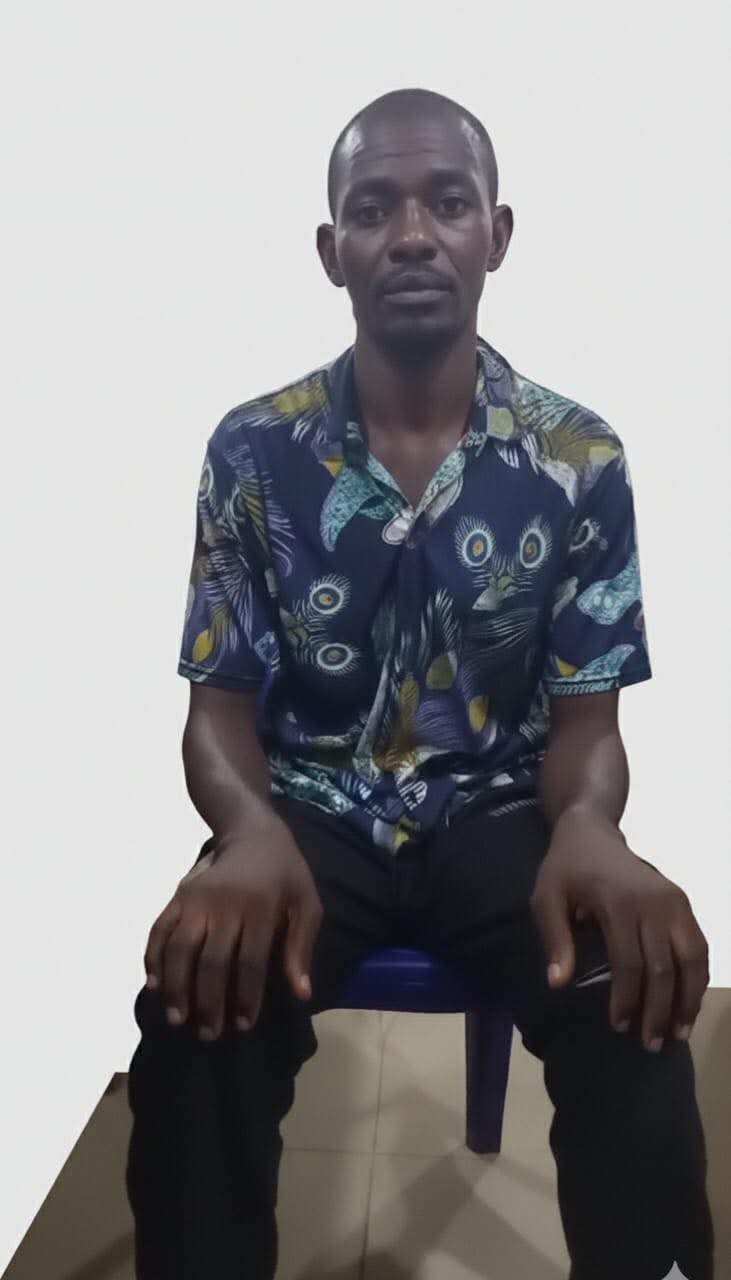


Actress Merit Gold has urged the public to show compassion toward a young woman identified as Mirabel after she admitted fabricating a rape allegation that sparked widespread outrage online. The case, which dominated social media discussions earlier this week, has shifted from public sympathy to demands for legal consequences following her confession.
Mirabel had initially posted a video claiming that an unidentified man entered her apartment, assaulted her with a blade and raped her. She further alleged that the supposed attacker later sent her a message mocking her and referencing previous romantic advances she had rejected. The claims quickly went viral, prompting calls for the suspect to be tracked down and arrested.
The narrative changed on Thursday when Mirabel released another video, admitting that the story was false. She attributed her actions to mental health struggles, a disclosure that has fueled intense debate over accountability and psychological wellbeing. Many social media users reacted with anger, arguing that false rape claims undermine genuine survivors and strain law enforcement resources. Some have called for her arrest and prosecution.
Merit Gold entered the conversation shortly after the confession, using her Instagram platform to advocate for a more measured response. The actress argued that Mirabel requires professional help rather than public vilification, reframing the situation as a mental health concern rather than solely a criminal matter.
The incident unfolded against a backdrop of heightened sensitivity around sexual violence in Nigeria, where advocacy groups have worked in recent years to encourage survivors to speak out and seek justice. Viral social media testimonies have increasingly shaped public discourse, often triggering rapid public mobilization before official investigations are concluded.
Mirabel’s original video gained traction within hours, with thousands sharing the footage and condemning the alleged attacker. Influencers and advocacy voices amplified the claims, intensifying pressure on authorities to act swiftly. However, as scrutiny increased and inconsistencies emerged, public attention turned toward verifying the details of her account.
Her subsequent admission marked a critical turning point. The confession not only reversed the narrative but also raised questions about misinformation, digital accountability and the psychological pressures tied to online visibility. Legal experts note that filing or publicizing false criminal allegations can carry serious consequences under Nigerian law, particularly in cases involving grave offences such as rape.
Since the confession, reactions have continued to evolve. Some activists warn that high profile false claims may discourage genuine victims from coming forward, fearing skepticism or backlash. Others argue that mental health struggles require structured intervention rather than purely punitive measures.
As authorities consider whether to take formal action, the broader conversation has expanded beyond one individual. The case highlights the fragile balance between supporting survivors, protecting due process and addressing mental health challenges in an era where social media can amplify claims within minutes.
What happens next will likely shape public trust in both online testimony and institutional response. For now, the incident stands as a stark reminder of the power and consequences of digital narratives in matters as serious as sexual violence.