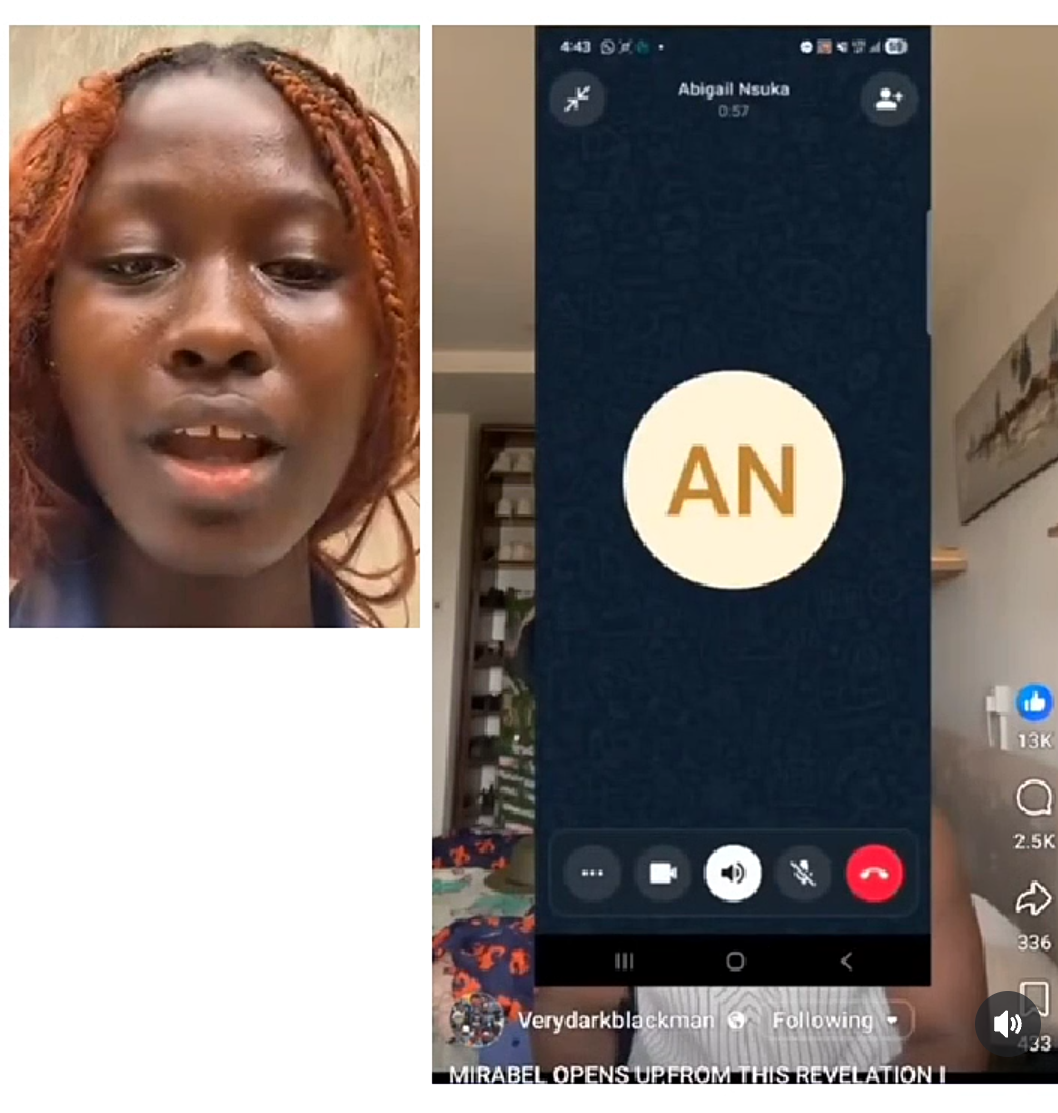

A woman identified as Mirabel has publicly withdrawn her earlier allegation of rape, admitting that the incident she previously described did not occur. The reversal comes after days of online debate and concern surrounding the initial claim.
In a video now circulating on social media, Mirabel acknowledged that her previous statement was false. She made the admission during a conversation with Nigerian social critic VeryDarkMan, where she said she has been struggling with serious personal and mental health challenges.
The development marks a significant shift in a story that had drawn strong reactions online. Allegations of sexual assault often prompt swift public response, especially in Nigeria, where issues of sexual violence remain deeply sensitive and widely discussed. Advocacy groups have long stressed the importance of taking such claims seriously while also underscoring the consequences of misinformation.
According to the video, Mirabel explained that her actions were influenced by emotional distress and unresolved personal issues. She did not provide extensive details about what led to the initial allegation but appeared visibly reflective as she addressed the matter. The conversation was recorded and shared across multiple social media platforms, accelerating public attention.
The initial claim had gained traction online, triggering sympathy from some quarters and skepticism from others. As the story spread, discussions intensified about due process, reputational damage, and the broader implications of false accusations. The retraction has now shifted the focus toward accountability and the impact of viral claims.
Observers note that false allegations, while statistically rare in comparison to the prevalence of sexual violence cases, can complicate public discourse and potentially undermine trust in genuine survivors. At the same time, mental health experts emphasize the need for compassion and access to proper support systems for individuals experiencing psychological distress.
In the hours following her admission, reactions online remained divided. Some called for legal consequences, while others urged empathy and professional intervention, pointing to her reference to mental health struggles.
The situation remains fluid as the video continues to circulate and generate debate. It remains unclear whether any formal complaints were filed or whether authorities will take further action.
The episode highlights the complex intersection of social media influence, mental health awareness, and the handling of serious allegations. As discussions continue, the case is likely to reignite conversations about responsibility, verification, and support systems in the digital age.