
Gabon’s media regulator has ordered the immediate suspension of social media platforms until further notice, citing concerns that online content is fueling division and threatening national stability. The decision was announced in a televised statement by the High Authority for Communication, which said the measure takes effect immediately across the country.
Spokesman Jean-Claude Mendome said the move followed the circulation of what authorities described as inappropriate, defamatory, hateful and insulting content online. He warned that such material was undermining human dignity, public morality, the honour of citizens and the stability of the Republic’s institutions. Officials did not specify which platforms would be affected by the suspension.
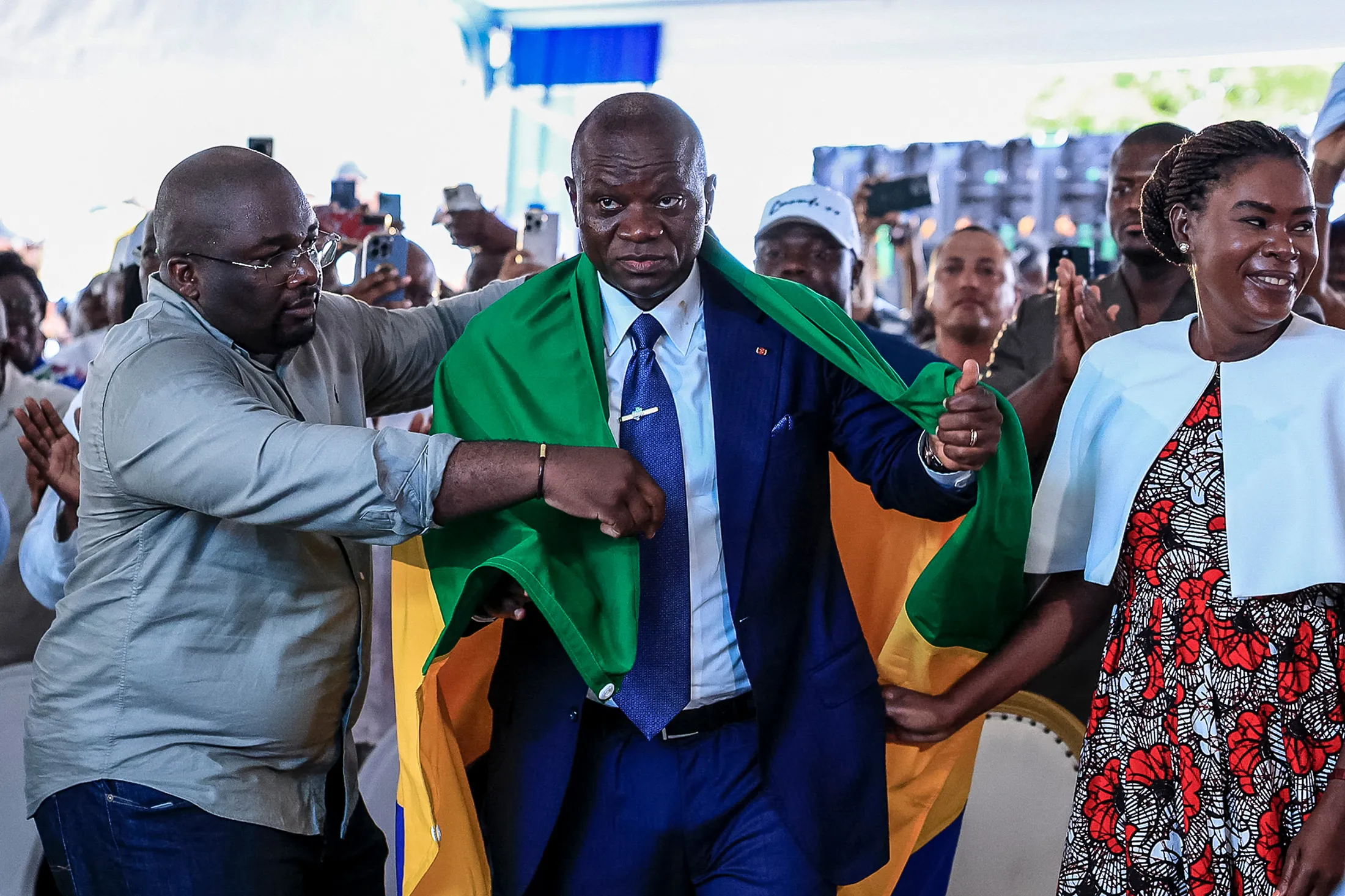
The suspension comes less than a year after President Brice Oligui Nguema was elected, at a time when Gabon is grappling with mounting social tensions. Teachers have been on strike since December over pay and working conditions, and protests have spread to other public sectors including health, higher education and broadcasting.
Authorities have linked the current unrest in part to the spread of false information, cyberbullying and the unauthorised disclosure of personal data online. The regulator said such actions risk generating social conflict, destabilising state institutions and jeopardising national unity and democratic progress.
The High Authority for Communication framed the suspension as a necessary step to preserve national security and social cohesion. Mendome argued that the online environment had become a conduit for harmful narratives capable of intensifying public dissatisfaction during a period of political transition.
The government has not released technical details on how the suspension will be implemented or how long it is expected to last. The lack of specificity has raised questions among civil society groups and media observers about the scope and enforcement of the order.
In its statement, the regulator emphasized that freedom of expression remains a fundamental right enshrined in Gabon’s legal framework. However, it maintained that this right does not extend to content that threatens public order or institutional stability.
The decision marks one of the most sweeping digital restrictions since the change in leadership that brought Oligui Nguema to power. It signals a harder line from authorities amid growing labour unrest and public frustration over economic conditions.
The announcement was delivered on national television, underscoring the urgency the government attaches to the issue. Officials pointed directly to the spread of false information and inflammatory commentary as catalysts for potential instability.
By invoking threats to national unity and democratic achievements, the regulator framed the measure as preventive rather than punitive. Yet the timing, against the backdrop of ongoing strikes, suggests the suspension is also aimed at curbing the rapid mobilisation and coordination that social media platforms enable.
Gabon has experienced periodic political tensions in recent years, with digital platforms playing an increasingly central role in public debate and mobilisation. As economic pressures mounted and labour disputes intensified, online discourse has grown sharper and more polarised.
The current suspension reflects a broader regional trend in which governments move to regulate or restrict digital spaces during periods of unrest. Critics argue such measures risk stifling legitimate dissent, while authorities insist they are necessary to safeguard order.
As of the announcement, there was no indication of when services might be restored. Telecommunications providers and digital rights advocates have yet to publicly outline how the directive will be enforced or challenged.
The uncertainty surrounding the ban is likely to heighten concerns among businesses, journalists and activists who rely on social media for communication and outreach.
The suspension places Gabon at a pivotal moment in its political transition under President Oligui Nguema. While authorities frame the move as a defence of national unity and institutional stability, its long-term impact on civil liberties and public trust will depend on how transparently and proportionately it is implemented.