
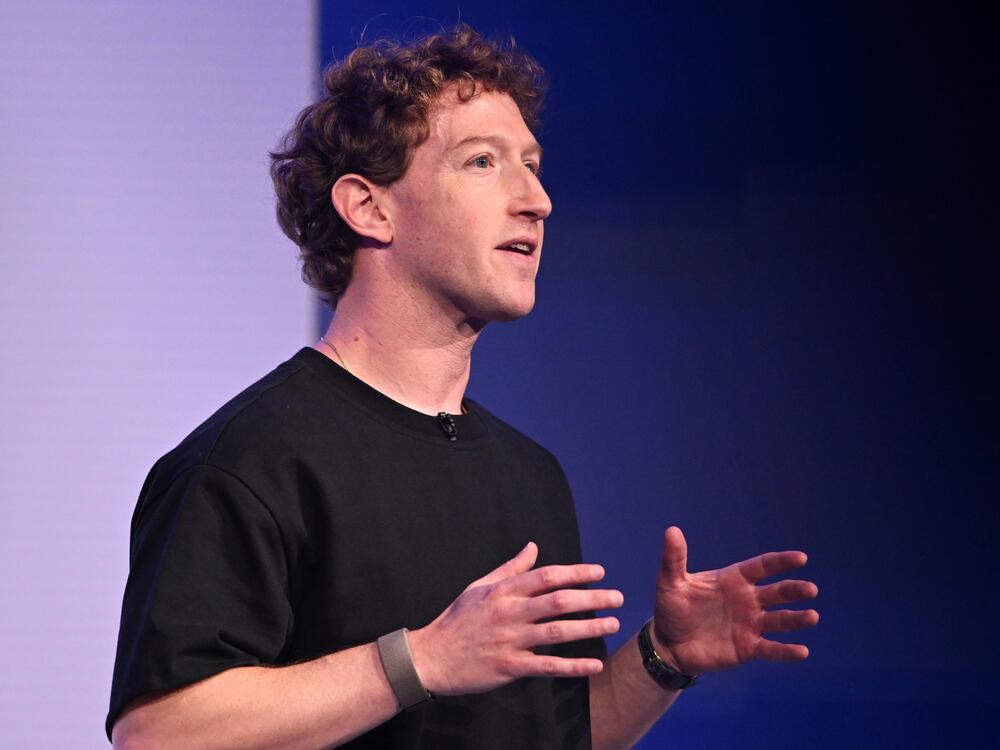

Meta chief executive Mark Zuckerberg is set to testify Wednesday in a closely watched California trial that could redefine the legal accountability of major social media platforms. The case centers on allegations that Instagram and other platforms were intentionally designed to foster addictive behavior among young users, contributing to serious mental health harm.
The trial, unfolding before a jury in Los Angeles, marks the first time Zuckerberg will address the safety of Meta’s products directly in a courtroom setting. The lawsuit is the first of thousands filed by American families against major technology companies, and legal experts say its outcome could influence the trajectory of similar cases nationwide.
Zuckerberg’s anticipated appearance comes as his reputation looms over the proceedings. During jury selection, Meta’s legal team attempted to exclude California residents perceived as hostile toward the tech executive, underscoring the high stakes involved.
Jurors are expected to hear testimony through late March as they examine whether Instagram and YouTube bear responsibility for the mental health struggles of a 20-year-old California woman identified in court documents as Kaley G.M. The plaintiff alleges that years of heavy social media use, beginning in early childhood, contributed to depression, anxiety and related conditions.
Court filings show that Kaley began using YouTube at age six, joined Instagram at 11, and later became active on TikTok and Snapchat. The lawsuit argues that platform features such as algorithms and personalization tools were engineered to maximize engagement and encourage compulsive use among young people.
At the heart of the case is whether companies like Meta Platforms and Google deliberately structured their platforms in ways that amplified addiction-like behavior. YouTube, owned by Google, remains a defendant in the case.
Two additional trials in Los Angeles later this year are expected to examine similar claims, potentially establishing a legal standard for resolving thousands of lawsuits alleging that social media has fueled rising rates of depression, eating disorders, anxiety and suicide among adolescents.
The case focuses on app design rather than user-generated content, an important distinction under US law. Technology companies are broadly shielded from liability for content posted by users, but plaintiffs argue that product design decisions fall outside those protections.
TikTok and Snapchat, which were initially named in the complaint, reached confidential settlements with the plaintiff before trial began.
Earlier this month, Instagram chief Adam Mosseri took the stand and pushed back against the characterization of social media addiction, instead describing it as problematic use. His testimony drew emotional reactions from family members of teenagers who died by suicide and attended the hearing.
The plaintiff’s legal team also presented testimony from psychiatrist Anna Lembke, who argued that social media platforms can function as a gateway stimulus for young users by shaping brain development and reinforcing reward-driven behaviors.
During questioning, Mosseri was pressed about internal communications regarding cosmetic surgery filters on Instagram. He defended Zuckerberg’s 2020 decision to retain the filters despite objections from some executives who warned they could harm young girls’ self-image. Company officials were reportedly concerned about losing market share to competitors such as TikTok.
YouTube chief executive Neal Mohan had been expected to testify but was later replaced by another YouTube executive, according to the plaintiff’s lawyers.
The Los Angeles proceedings are unfolding alongside a separate nationwide case before a federal judge in Oakland that could result in another major trial in 2026.
Meta also faces litigation in New Mexico, where prosecutors allege the company prioritized profits over protecting minors from sexual predators.
Zuckerberg’s testimony is widely viewed as a pivotal moment in the California case. A verdict establishing that platform design can create legal liability would mark a significant shift in how US courts evaluate the responsibilities of technology companies.
With thousands of similar lawsuits pending, the outcome of this trial may help determine whether social media firms face a new era of accountability or maintain the legal protections that have long shielded them from sweeping liability claims.