
NATO would launch strikes deep inside Russian territory if Moscow attempted to invade the Baltic states, Estonia’s foreign minister has said, rejecting suggestions that the region could be rapidly overrun in a limited land grab.
Speaking at the Munich Security Conference, Margus Tsahkna said Estonia, Latvia and Lithuania are prepared to repel any Russian aggression and would not wait for occupation before responding. He told The Telegraph that any attack would trigger significant counter operations inside Russia itself.
Tsahkna stressed that the Baltic nations have sharply increased defence spending and military preparedness amid fears that President Vladimir Putin could test NATO’s resolve after the war in Ukraine. Estonia and its regional allies are now investing up to five percent of GDP in defence, he said, underscoring a regional push to harden deterrence along NATO’s eastern flank.
The warning comes as European security officials assess the risk of a broader confrontation between NATO and Russia following Moscow’s full scale invasion of Ukraine in 2022. The Baltic states, all former Soviet republics, are among the most vocal advocates for a robust NATO posture and have repeatedly warned that the Kremlin could seek to exploit perceived weaknesses within the alliance.
Security analysts have speculated that Russia might attempt a limited incursion designed to test NATO’s collective defence commitment under Article 5. One recent wargame organised by the German newspaper Die Welt, involving former NATO and German military officials, envisioned Russian forces rapidly seizing parts of Lithuania within days.
The Estonian border town of Narva, which has a significant Russian speaking population and lies directly across the river from Russia, has also been identified by analysts as a potential flashpoint in any future confrontation.
Tsahkna dismissed suggestions that the Baltic states would rely solely on delayed reinforcements from larger NATO members in the event of an attack. He argued that earlier defence concepts risked allowing Russian forces to occupy Baltic territory before a decisive allied response.
Under previous assumptions, NATO would ultimately prevail but only after significant destruction and displacement in the region, he said. Estonia and its neighbours, he added, are no longer prepared to accept a strategy that concedes ground at the outset of a conflict.
The Die Welt simulation proved controversial. In the scenario, Russia achieved its objectives while NATO struggled to respond decisively. The United States was portrayed as declining to invoke Article 5 over concerns about escalating into a wider war with Moscow.
Germany, despite having stationed a brigade in Lithuania as part of NATO’s forward presence, was depicted as failing to repel advancing Russian forces. The exercise suggested internal divisions and hesitation within the alliance could undermine rapid collective action.
The simulation also proposed that Moscow might attempt to justify aggression by fabricating a humanitarian crisis, echoing claims made by Russia in relation to Ukraine prior to its invasion.
In the wargame scenario, Russian troops captured the Lithuanian city of Marijampolė and moved to secure the strategically significant Suwalki Gap, a narrow corridor linking Lithuania to Poland and separating Russia’s Kaliningrad exclave from Belarus.
Control of the Suwalki Gap is widely viewed as critical to NATO’s ability to reinforce the Baltic states by land. Its vulnerability has long been a focal point in alliance planning and Russian military assessments.
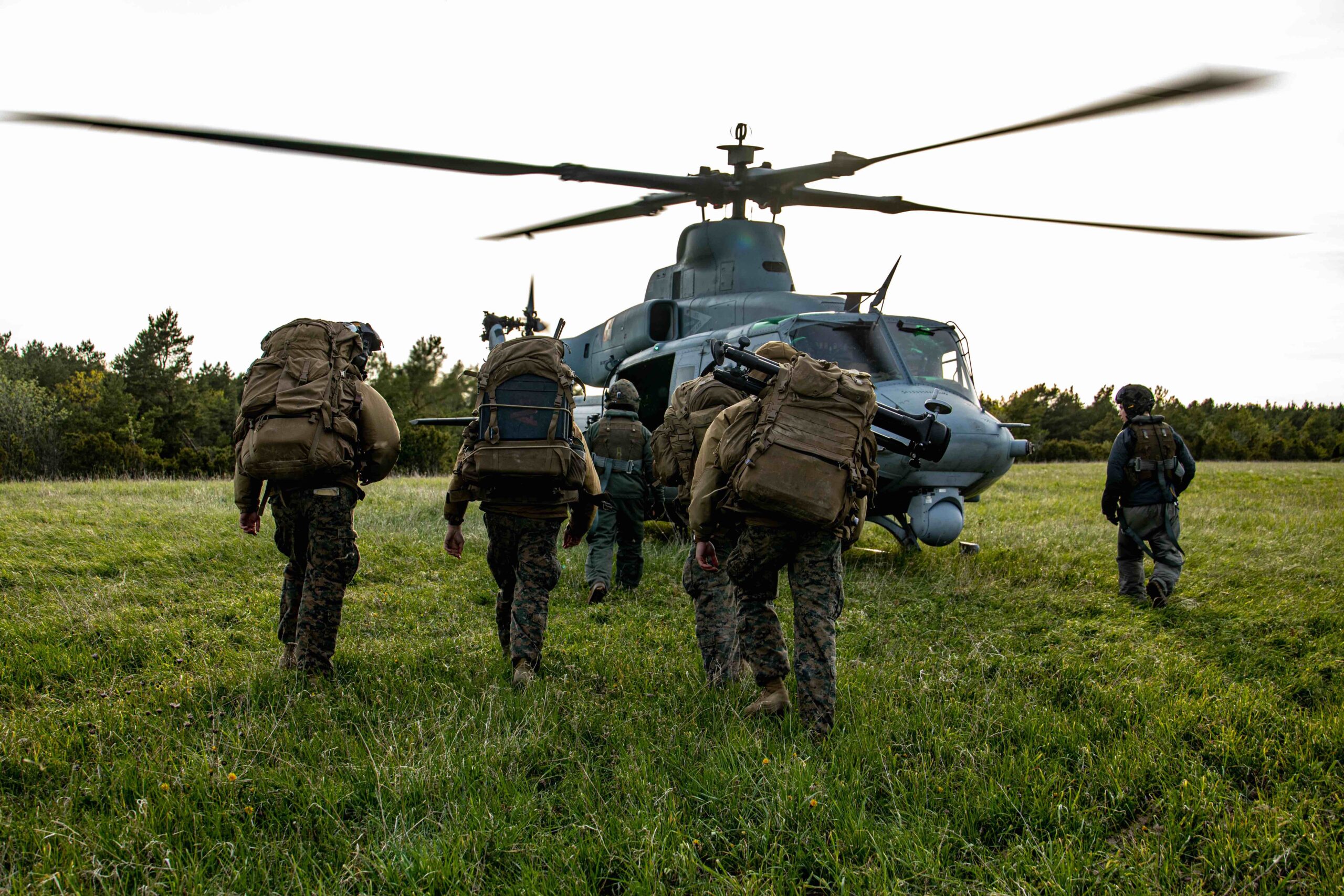
Since the outbreak of war in Ukraine, the Baltic states have accelerated defence procurement, expanded reserve forces and strengthened coordination with allied troops stationed in the region. NATO has increased its forward deployments, though debates persist over the scale and speed of reinforcements in a crisis.
Public and political pressure within Eastern Europe has intensified, with leaders urging Western allies to move from deterrence by reinforcement toward deterrence by denial, a strategy aimed at preventing any initial territorial gains by Russia.
Tsahkna’s remarks reflect a growing impatience among frontline states with what they see as cautious planning inside parts of the alliance. By openly warning of deep strikes into Russian territory, Estonia is signalling that any aggression would carry immediate and direct consequences for Moscow.
As NATO reassesses its eastern posture, the Baltic states are positioning themselves not as passive tripwires but as active participants in collective defence. Whether that posture strengthens deterrence or further heightens tensions with Russia may depend on how unified and credible the alliance’s response appears in the months ahead.