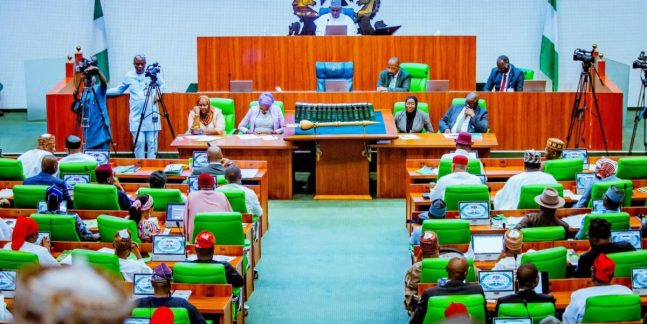

Nigeria’s House of Representatives will convene an emergency plenary on Tuesday to deliberate on the 2027 general election timetable released by the Independent National Electoral Commission. The move follows growing concerns over the timing of the polls, which fall within major religious fasting periods observed nationwide.
In a statement issued late Friday, House spokesperson Akin Rotimi said lawmakers were formally notified of the emergency sitting through an internal memo from the office of the Speaker. The session will focus specifically on the election dates announced earlier the same day by the commission.
The Independent National Electoral Commission fixed the presidential and National Assembly elections for February 20, 2027. Governorship and state house of assembly elections are scheduled for March 6, 2027.
The announcement has drawn immediate attention because it coincides with significant religious observances for both Muslims and Christians. Ramadan is projected to begin on February 8, 2027, and end around March 10. The Christian Lenten season is expected to start on February 10 and continue through March 27, culminating in Easter on March 28.
The overlap means that both major faith communities in Nigeria would be observing fasting during the election period. Analysts warn that this alignment could affect voter mobilization efforts, participation rates, and overall turnout in a country where religion plays a prominent role in civic life.
Nigeria’s election cycles often require complex logistical planning, given the country’s size, security challenges, and diverse population. The 2027 general elections are expected to shape the country’s political trajectory for the next decade, making the timing and conduct of the polls particularly sensitive.
The electoral body’s announcement was intended to provide early clarity for political parties, candidates, and stakeholders. However, the proximity of the dates to Ramadan and Lent has prompted immediate legislative scrutiny.
Rotimi said the emergency plenary would enable lawmakers to examine the constitutional and national implications of the timetable and determine what legislative steps, if any, are appropriate.
He stated that the sitting reflects the resolve of the House to respond promptly to issues with far-reaching implications for the democratic process. According to the statement, deliberations will focus on relevant legislative matters connected to the announcement, in line with the constitutional responsibilities of the National Assembly. All business relating to the matter is expected to be addressed expeditiously.
The critical turning point came with Friday’s release of the election dates, which immediately triggered debate across political and civic circles. Within hours, the leadership of the House had moved to summon lawmakers back for an emergency session, underscoring the perceived gravity of the issue.
The decision signals that the lower chamber is prepared to play an active role in shaping the framework surrounding the 2027 elections, particularly where constitutional or national interest concerns may arise.
Nigeria has previously navigated scheduling and logistical challenges during election cycles, including security concerns and operational delays. However, the convergence of nationwide religious fasting periods with polling dates introduces a different dimension, one tied to social behavior and public engagement.
Public reaction is still emerging, but early commentary from analysts suggests that turnout dynamics, campaign strategies, and election-day logistics could all be influenced if the timetable remains unchanged.
As of Friday night, there was no indication that the Independent National Electoral Commission intended to review the announced dates. The emergency plenary will therefore be the first formal legislative response to the development.
The outcome of Tuesday’s deliberations could determine whether lawmakers seek consultations with the electoral body or explore other constitutional options.
The emergency session sets the stage for an early institutional test ahead of the 2027 general elections. How the House navigates the issue may shape not only the final timetable but also public confidence in Nigeria’s electoral process at a critical moment for the nation’s democracy.