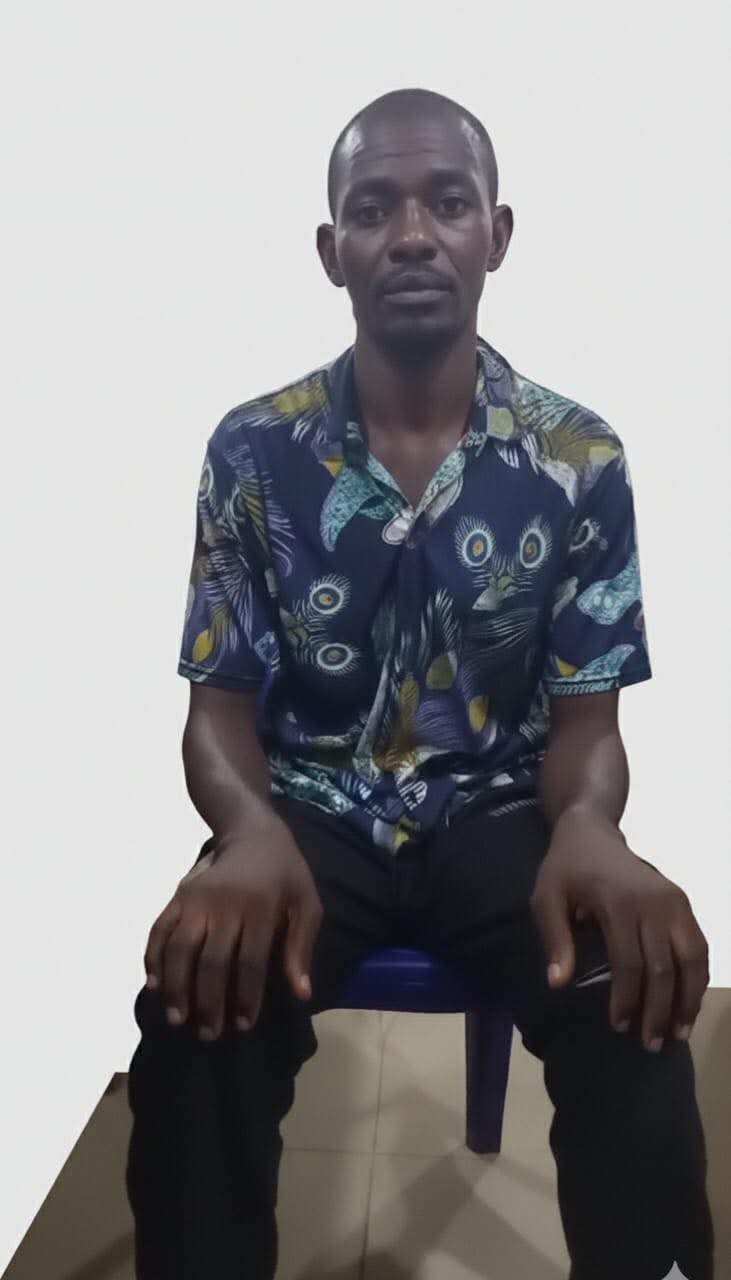
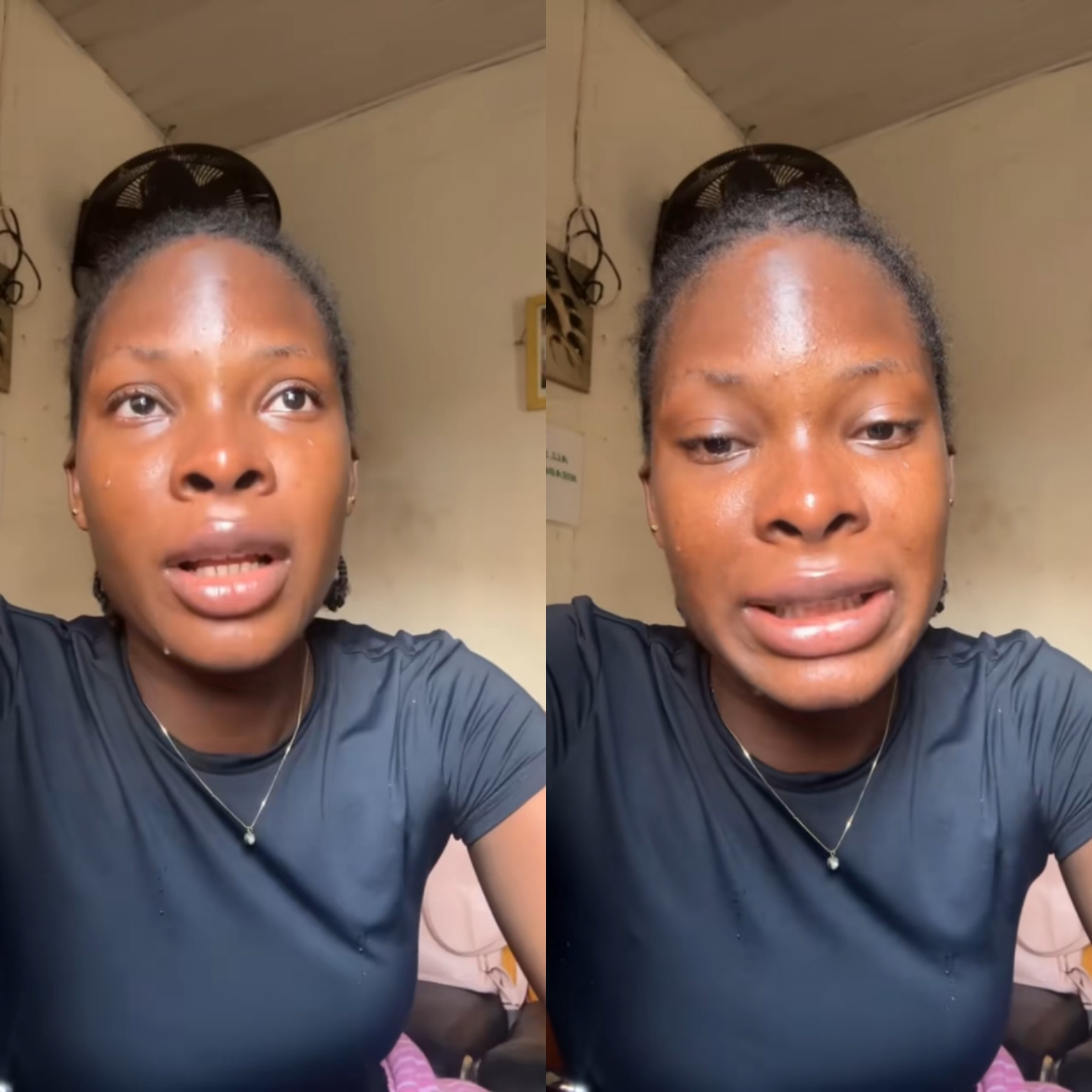

A Lagos-based content creator and thrift vendor known as Fems Thrift has alleged that she and a friend were sexually assaulted after being lured to what they believed was a legitimate modeling job in the Ajao Estate area of Lagos State.
Fems shared her account in a video posted on TikTok, stating that the incident occurred on Sunday, February 8. She said a man had contacted her via Instagram, claiming he had recently returned from the United Kingdom to launch an international fashion brand in Nigeria and was seeking models for a promotional shoot.
According to her, the man offered a payment of N140,000 for the assignment and requested that she promote the brand across her social media platforms. Initial contact was reportedly made on February 1, and she agreed to the job after being assured that a full production team, including a makeup artist, would be present at the location.
The allegation comes amid growing concerns about the vulnerability of young creatives and job seekers who rely on social media platforms for work opportunities. Nigeria’s booming influencer, fashion, and content creation industries have created new income streams, but they have also exposed participants to risks, including scams and exploitation.
Law enforcement agencies have repeatedly warned about fraudulent job offers and advised individuals to verify identities, company registrations, and production details before attending private meetings.
Fems said she asked a friend to accompany her to the venue for safety reasons. The pair arrived at the apartment at approximately 11 a.m. on the agreed date. However, she claimed the premises appeared largely empty upon arrival.
She alleged that the suspect described the location as a content creation studio and told them the makeup artist had briefly stepped out. According to her account, he later asked her to take a shower in preparation for the shoot, claiming she needed to freshen up before makeup application. He reportedly provided a robe for her to change into.
Fems alleged that after she complied, the man entered the room under the pretext of showing her how to lock the door before other crew members arrived. She claimed the situation escalated when he locked the door, produced a knife, and threatened both her and her friend.
She further alleged that the suspect restrained them and sexually assaulted them one after the other. Their mobile phones were reportedly seized, and they were allegedly forced to unlock private folders while personal files were transferred to the suspect’s device.
According to her, the man threatened to release their private content online if they reported the incident or spoke publicly about it. She said he warned her that her online presence could be used against her.
The victims said they remained at the apartment for several hours before leaving between 2 p.m. and 3 p.m. the same day. Fems later stated that she sustained physical injuries during the alleged assault and described suffering emotional trauma in its aftermath.
She called for the suspect to be identified and arrested, urging authorities to act swiftly to prevent others from falling victim to similar schemes.
Since posting her video, the case has drawn attention across social media, with users calling for an investigation and greater protection for young professionals in the creative sector. Advocacy groups have also renewed calls for stricter enforcement against online luring and gender-based violence.
At the time of filing this report, it was not immediately clear whether a formal complaint had been lodged with the Lagos State Police Command or whether an investigation had commenced.
The video continues to circulate widely, intensifying public scrutiny and pressure on authorities to respond. Police officials have yet to issue an official statement regarding the allegations.
The case highlights the growing intersection between social media-driven employment opportunities and personal safety risks. As digital platforms become central to business and creative work in Nigeria, calls are mounting for stronger verification systems, improved awareness, and decisive law enforcement action to protect vulnerable job seekers.