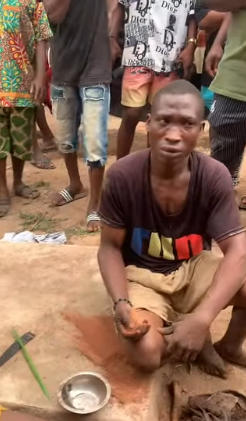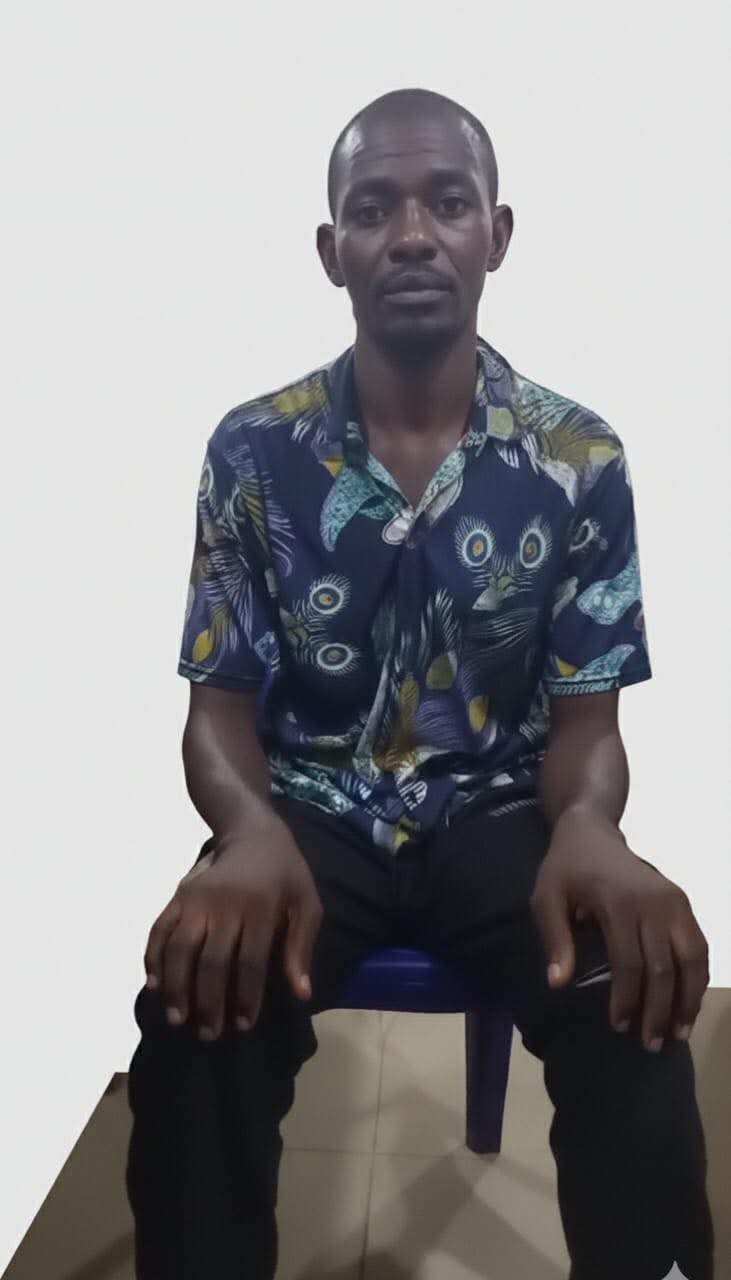

Shock and outrage swept through Umuchimanyiri village in Obazu Mbieri, Mbaitoli Local Government Area of Imo State, after two siblings were accused of killing their elder brother and secretly burying him in a shallow grave within their family compound. The suspects, identified as Lucky and Uzoma Amadi, were arrested on Tuesday, February 10, 2026, following the grim discovery.
Residents said the brothers initially attempted to conceal the alleged crime by informing villagers that their elder sibling, Orindu, had traveled out of the state. Suspicion grew in recent days, prompting local youths to confront the pair and search the premises.
The confrontation escalated when villagers reportedly uncovered a shallow grave within the compound. The remains, believed to be those of Orindu, were exhumed under mounting tension as community members demanded answers and justice.
Cases of intra-family violence remain rare but deeply unsettling in many rural communities across Nigeria, where extended families often live in close quarters and communal oversight is strong. The alleged killing and secret burial have raised fresh concerns about unresolved family disputes and the potential for mob justice when trust in formal processes appears fragile.
Mbaitoli Local Government Area has not recently recorded a case of similar magnitude, making the development particularly alarming for residents.
According to accounts from the scene, anger intensified after word spread that the deceased had not been seen for some time despite claims that he had relocated. As doubts mounted, youths in the community reportedly stormed the residence of the suspects and compelled them to reveal the burial site.
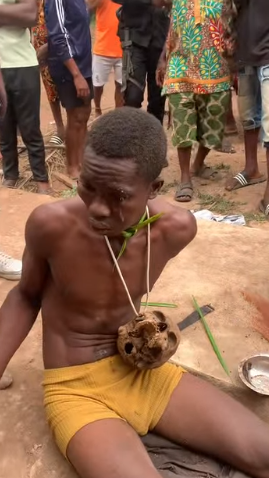
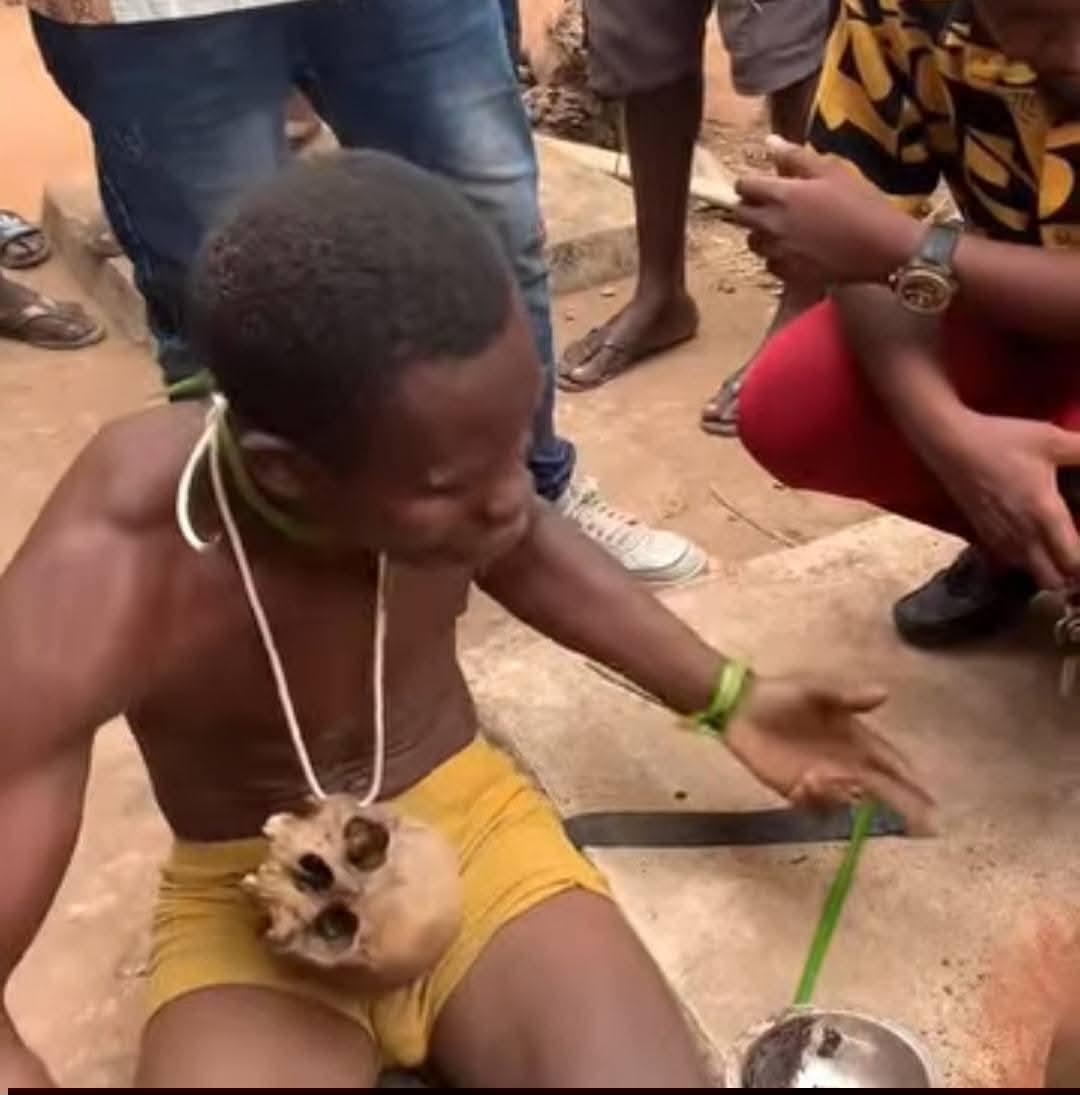
Journalist Okeoma Chidiebube, who visited the area, reported that skeletal remains were recovered from the shallow grave inside the compound. In a dramatic and controversial display, some villagers allegedly hung the remains around the suspects’ necks as tensions spiraled.
Police officers from the Mbieri Divisional Headquarters, including the Divisional Police Officer, arrived at the scene amid the unrest. Their intervention prevented what could have become a deadly mob action.
The officers rescued the suspects, recovered exhibits linked to the case, and took custody of the remains for further investigation.
One of the suspects, identified as a tricycle operator, reportedly claimed that the deceased had been responsible for their father’s death years earlier. Authorities have not confirmed the validity of that allegation, and no official evidence has yet been presented to support the claim.
The turning point came when villagers forced the exhumation of the grave, transforming private suspicion into a public spectacle. The swift arrival of law enforcement was crucial in preventing further violence and ensuring that the suspects were transferred into formal custody.
The recovery of the remains now shifts the matter into the domain of forensic and criminal investigation.
As the story unfolded, community anger gave way to a heightened security presence. The arrest of the suspects has temporarily restored calm, but residents remain shaken by the scale of the allegations and the apparent attempt to mislead the village about the victim’s whereabouts.
The case also highlights the persistent risk of mob retaliation in emotionally charged incidents before law enforcement can intervene.
As of the time of filing this report, the spokesperson for the Imo State Police Command, Henry Okoye, had not issued an official statement regarding the arrests or the ongoing investigation.
Authorities are expected to conduct further forensic examinations and question the suspects as they work to establish a clear timeline and motive.
The case now moves into the hands of investigators and prosecutors, who will determine the next legal steps. For the residents of Umuchimanyiri village, the focus has shifted from shock to accountability, as they await official confirmation of the facts and the outcome of what could become one of the most disturbing family homicide cases in the area’s recent history.