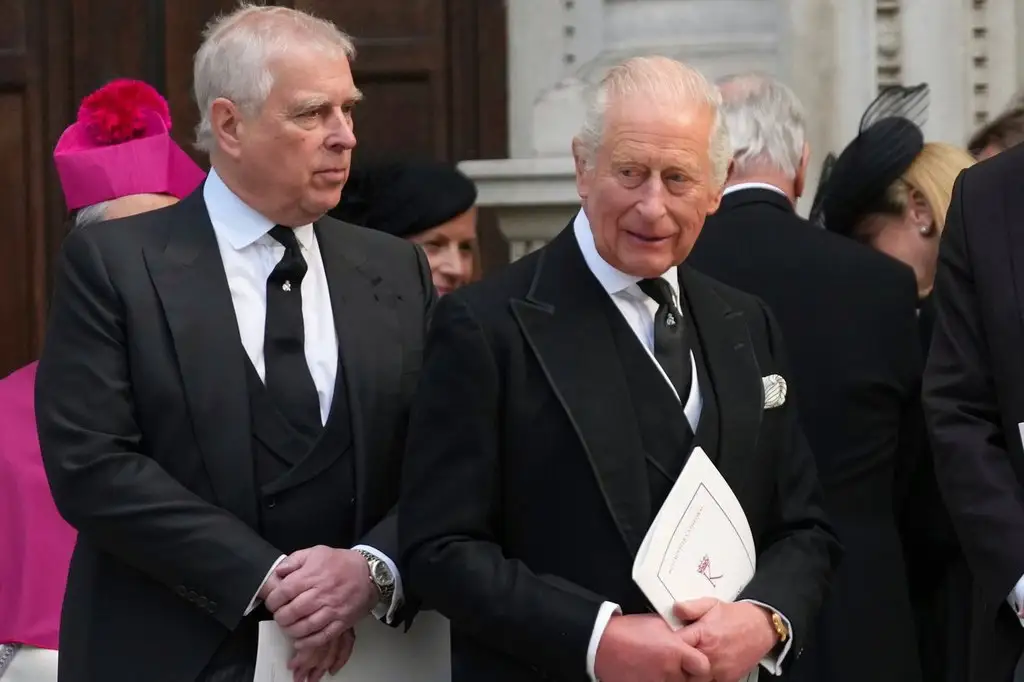

King Charles has indicated he is prepared to support British police as they assess allegations that his brother, Prince Andrew, shared confidential information with the late convicted sex offender Jeffrey Epstein while serving as a UK trade envoy. The claims have resurfaced following the release of new Epstein-related documents by the United States Department of Justice.
The files appear to suggest that Andrew Mountbatten-Windsor sent sensitive material to Epstein in 2010, prompting a formal report to police and renewed scrutiny of the former prince’s conduct during his time in a government-linked role.
The allegations arrive amid a broader international fallout from newly disclosed Epstein records, which have implicated several high-profile figures. The disclosures have renewed debate over accountability, misuse of public office, and the long-running consequences of Epstein’s network of influence.
Graham Smith, chief executive of the anti-monarchist group Republic, confirmed he had reported Mountbatten-Windsor to police for suspected misconduct in public office and a potential breach of official secrets. Thames Valley Police acknowledged receipt of the complaint and said the information was under assessment in line with established procedures.
Buckingham Palace said the King had expressed profound concern over the allegations and would cooperate with any investigation if approached. Palace officials stressed that the specific claims remain a matter for Mountbatten-Windsor to address directly.
According to the newly released documents, Epstein requested details of Prince Andrew’s Asia trip in 2010. The files indicate that Mountbatten-Windsor responded by sharing an itinerary covering Vietnam, Singapore, and Hong Kong, and later forwarded visit reports prepared by his special adviser.
Prince Andrew served as a UK trade envoy from 2001 until 2011, stepping down after mounting criticism over his association with Epstein. Although trade envoys are not civil servants, parliamentary records state the role carries a duty of confidentiality, including after leaving office, particularly where commercial or political information is concerned.
Further emails referenced in the documents suggest Mountbatten-Windsor later sent Epstein what he described as a confidential brief relating to investment opportunities in Afghanistan’s Helmand province. The renewed attention follows his recent move out of his longtime Windsor residence amid ongoing controversy.
The Epstein disclosures have already had tangible consequences elsewhere. Former UK ambassador to the United States Peter Mandelson resigned from the House of Lords after documents suggested he shared sensitive government information with Epstein following the 2008 financial crisis. British police have since conducted raids on properties linked to Mandelson as part of an investigation into alleged misconduct in public office.
Mountbatten-Windsor has denied wrongdoing and has not publicly responded to the latest allegations, having previously said a 2010 meeting with Epstein was intended solely to sever ties. As police review the claims, the case threatens to deepen reputational pressure on the monarchy and intensify calls for accountability, while royal officials emphasize that attention should remain focused on the victims at the center of the Epstein scandal.