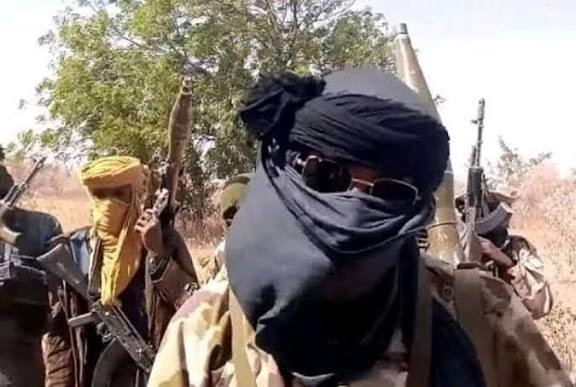

Nigeria recorded one of its bloodiest attacks this year after coordinated assaults on Woro and Nuku villages in Kaiama Local Government Area of Kwara State left at least 162 people feared dead.
The attacks occurred on Tuesday, with the death toll confirmed by Mohammed Omar Bio, the lawmaker representing the area, as of Wednesday afternoon. According to him, the violence was carried out by Lakurawa, an armed group reportedly linked to the Islamic State, although no group has officially claimed responsibility.
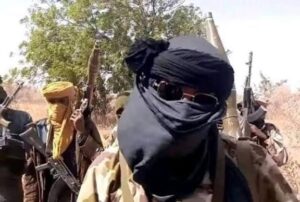
Local accounts indicate that gunmen invaded the two rural communities in a coordinated operation, killing residents and setting homes and shops on fire. The scale and organisation of the attacks have shocked both locals and security observers.
Sa’id Baba Ahmed, a politician based in Kaiama, said many residents fled into nearby bushland in a desperate bid to escape, some sustaining gunshot injuries. Several people were still unaccounted for as of Wednesday, including the community’s traditional ruler.
Residents told reporters that the attackers were extremists who had previously appeared in the area, preaching and demanding that villagers renounce loyalty to the Nigerian state and submit to strict religious rule. When the communities resisted, the situation reportedly turned violent.
Kwara State Governor AbdulRahman AbdulRazaq condemned the killings, describing them as a cowardly act by terrorist cells reacting to intensified military pressure in the region.
Kwara shares a border with Niger State, an area that has seen growing activity by armed groups in recent years. The Nigerian military has confirmed that sustained operations against terrorist elements are currently ongoing in the wider region.
The Kwara attack came amid a broader wave of violence across northern Nigeria. In a separate incident on Tuesday, at least 13 people were killed in Doma village, Faskari Local Government Area of Katsina State, according to police.
Together, these incidents underscore the deepening security crisis facing rural communities, where civilians continue to bear the brunt of insurgent violence despite ongoing military efforts.